
Industrial Heritage & Decline
![Coal (image credit: OnzeCreativitijd [Pixabay])](https://whoisyourneighbour.org.uk/wp-content/uploads/2024/06/coal-face_3-1.webp)
This is one of a set of stories produced in response to the 40th anniversary of the Miners’ Strikes, and the devastating Battle of Orgreave on 18th June 1984. The topics they cover “come up” again and again in our work in South Yorkshire.
People often tell us a story about coping with the impact of Industrial Decline.
In conversation, people wonder about their heritage, what they have been through and what comes next. Loss of industries brings suffering and feelings about this can be manipulated, creating division. Openness and empathy open up ways of talking, listening, working through problems and telling new stories together.
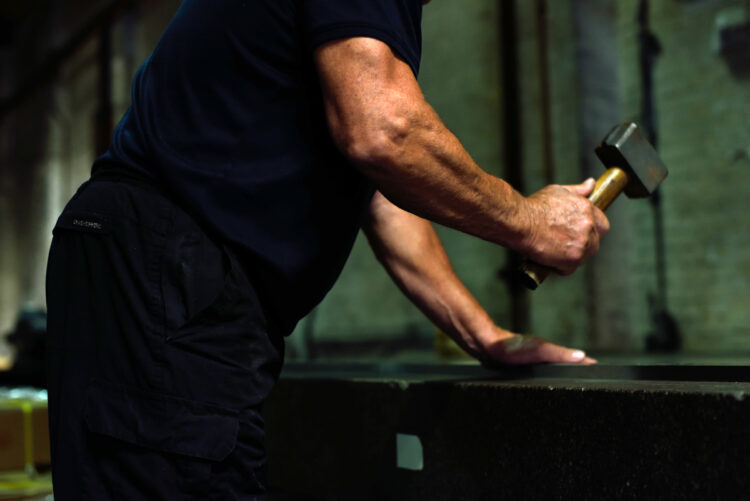
Rapid Change
Pit closures around Barnsley, Doncaster, Rotherham, the decline of Sheffield steel, and related events like devastating strike action leave a legacy. Conversations about this can be troubling.
Jim* worked for Steel, Peech and Tozer (now Magna) which “employed 9,000 people”. He remembered a lost Sheffield he had been proud of that:
“Housed all your little factories making stainless steel cutlery. I know girls that worked as Buffers, shining up the brass.”
Pat* remembered the “dreadful” Battle of Orgreave, during which her husband, a glazer, was delivering a piece of glass for an Orgreave school window:
“He was trying to get this huge van through the police and miners. He said: ‘I’d better not go down there with a big sheet of glass. It’s the last thing they need.’ It was awful, a war zone.”
Impact
At the time and in the aftermath, people suffered. Years later, moving in or out remained difficult, as the housing market “got really slow”.
Feelings about such things can get hijacked. Instead of listening, these can pit against one another people who went on strike and people who didn’t; people glad to move on from their old jobs and people who miss them; people who grew up locally and newer arrivals.
Insight
In conversations WiYN? held with residents of houses originally built for pit and railway workers, people were invited to bring their varied experiences. These were heard.
Audrey* explained that judgements made about her place, with its visible industrial past, are upsetting:
“I’d love to see these beautiful streets lose the reputation. There’s some absolutely lovely people – that take great pride in their homes.”
A real story was emerging, about the lasting impact of industrial decline, varied lived experience and a sadness felt when people outside make assumptions; they “just don’t see” things as they really are.
(*all names have been changed).
What We Learned
We had been invited to work in communities hit hard by industrial decline. Financial hardship can be a reality for people there. Sometimes, residents fear that new arrivals won’t be welcomed.
The stories that emerged revealed a longing for those on the outside, looking in, to better understand. With space and time to talk, people reflected on the past as it was for them. They explored the hard work required of them in the past and present.
“Unseen” was a word that emerged; it invited a caring about local realities, good and bad.
We prioritise offering conversations in places where people don’t feel heard. Many of our facilitators have experienced feeling unheard in their own lives.